Reading time: 6 minutes
An outdoor metal staircase may seem like a simple structure, until rain, humidity, dirt, frost, frequent foot traffic and wear start putting every tread to the test. In these contexts, choosing the right outdoor metal stair treads means helping to prevent slips, water stagnation, deformation and maintenance issues that may occur too frequently over time.
In everyday language, many people still search for “iron stair treads” or “iron steps for outdoor stairs”. From a technical point of view, however, in professional applications it is more accurate to talk about steel stair treads, especially when evaluating resistance, galvanizing, drainage, grip and long-term durability.
At Abagrigliati, we design and supply solutions for staircases, walkways and technical access areas that respond to practical needs: continuity of use, resistance, drainage and safe foot support. That is why, when dealing with outdoor staircases, it is not enough to ask “which tread do I need?”. It is essential to consider where the staircase will be installed, how it will be used and which conditions it will be exposed to.
Do you need to evaluate an existing outdoor steel staircase or a new supply?
Call Abagrigliati at +39 049 5797535 or fill in the contact form: we will help you identify the most suitable solution for your installation context.
Table of contents
- Why outdoor stair treads require specific attention
- Iron or steel? An important distinction for a better choice
- Galvanizing, grip and drainage: what really matters
- Corten steel for outdoor applications: when it can be considered
- Mistakes to avoid on outdoor and service staircases
- How to request a supply that matches the installation context
- FAQ about outdoor metal stair treads
Why outdoor stair treads require specific attention
Outdoor staircases work in more demanding conditions than many indoor staircases. They are exposed to rain, sunlight, temperature changes, dust, mud, weathering and, in some cases, substances typically found in production or plant environments.
This means that the tread should not be considered only as a walking surface. It must contribute to the long-term safety of the staircase by reducing the risk of water stagnation, ensuring good grip and maintaining stable performance even in case of frequent use.
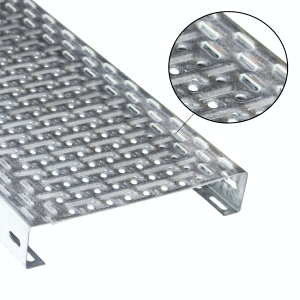
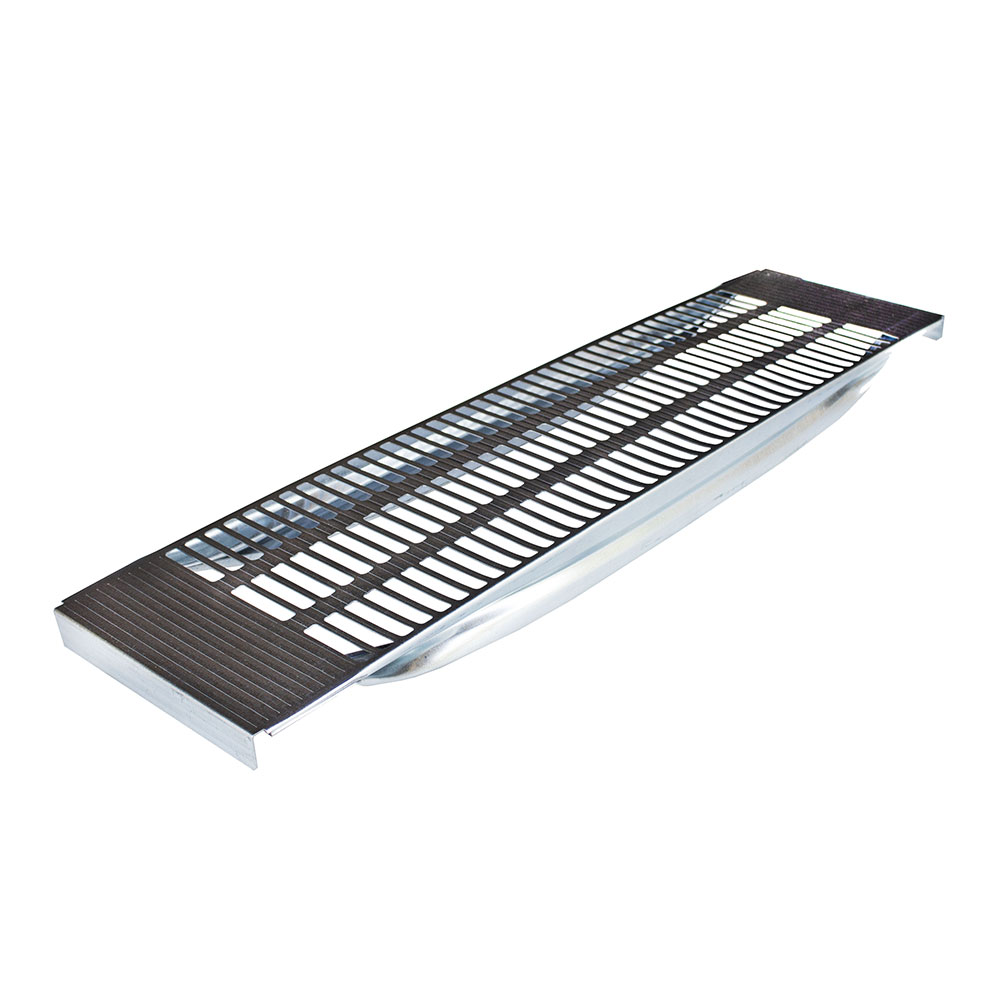
When it comes to steel stair treads for outdoor stairs, one of the most important aspects is the combination of profile shape, material, surface treatment and drainage capacity. Grated stair treads and perforated profiles allow water, dirt and impurities to be managed more effectively than closed surfaces, where stagnation can become a problem for both safety and durability.
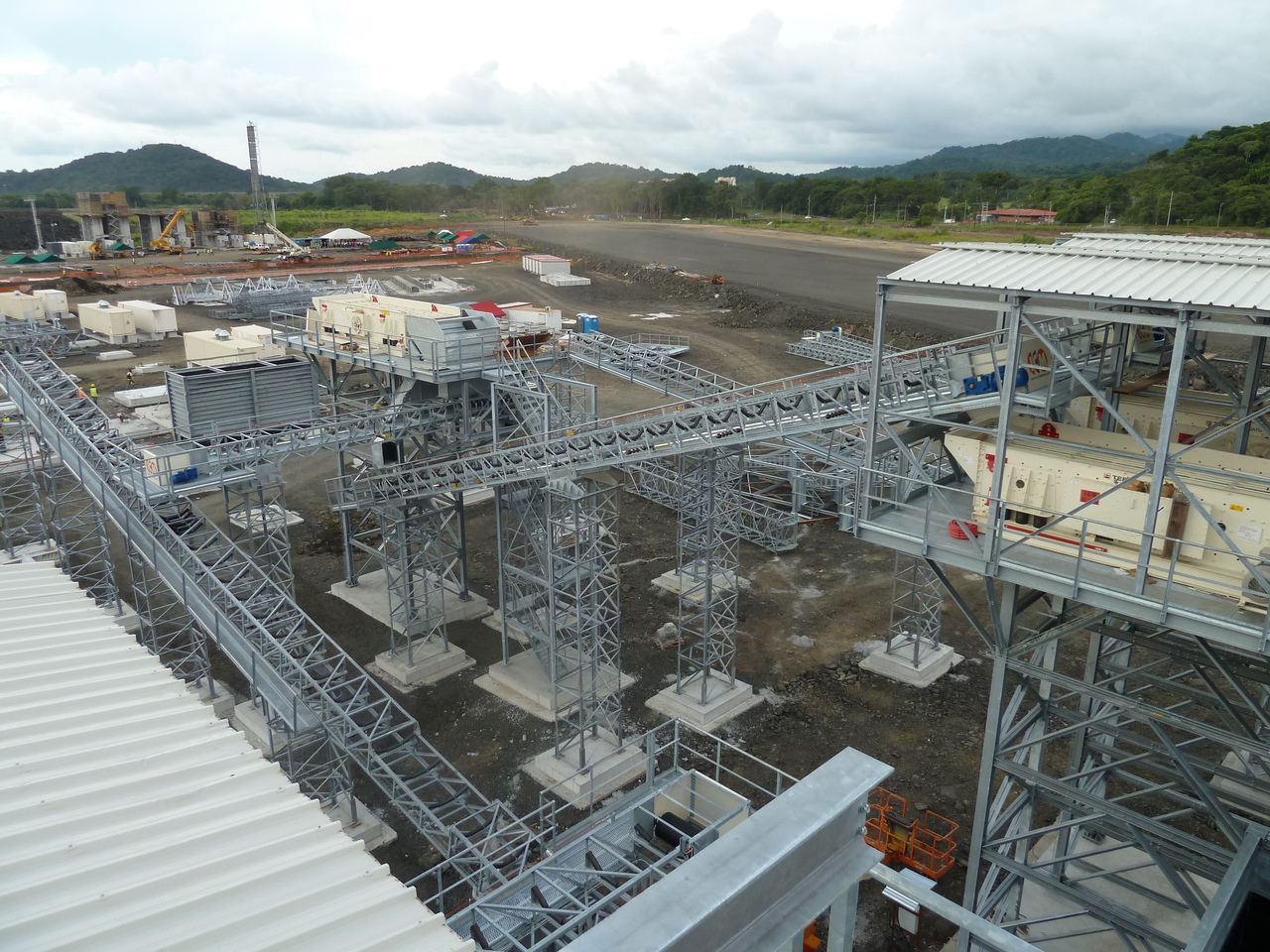
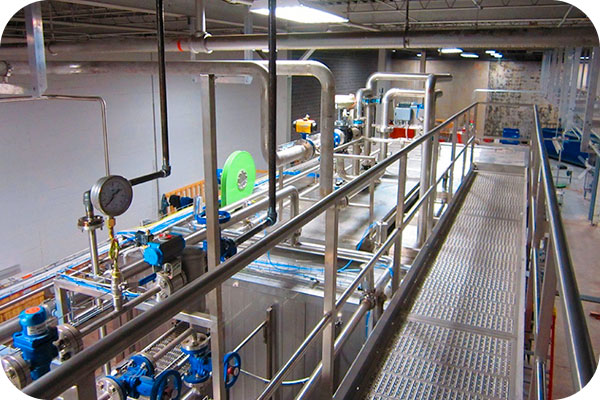
For this reason, Abagrigliati supplies galvanized grating stair treads and ladder rungs that can be used in different contexts: access stairs, service stairs, technical staircases, safety staircases and connections between different levels in industrial, civil or plant environments.
To explore this topic in a broader way, you can also read the article about galvanized grating stair treads and rungs for stairs, useful for better understanding the general applications and characteristics of Abagrigliati profiles.
Iron or steel? An important distinction for a better choice
In our industry, expressions such as “outdoor iron stair treads”, “galvanized iron stair treads” or “anti-slip iron stair treads” are often used because, in everyday language, the word iron is commonly used to describe strong metal components for stairs, structures and metalwork.
From a technical point of view, however, iron and steel are not the same thing. Iron is a basic chemical element, while steel is an alloy mainly composed of iron and carbon, often enriched or treated to obtain better mechanical performance, greater resistance and better suitability for structural and technical applications.
For outdoor, industrial and service applications, it is therefore more accurate to talk about steel stair treads. Steel makes it possible to obtain solutions that are more suitable for contexts where mechanical resistance, stability, anti-slip surfaces, drainage and protective treatments such as galvanizing are required.
For this reason, when Abagrigliati designs and supplies stair treads for outdoor staircases, the real issue is not simply “iron or metal”, but the choice of a technical component that is consistent with the environment, use and safety requirements.
Galvanizing, grip and drainage: what really matters
When choosing stair treads for outdoor environments, three factors become essential: material protection, anti-slip grip and drainage capacity.
Galvanizing helps protect the tread over time
Outdoors, a metal component that is not adequately protected may be more exposed to corrosion. For this reason, choosing galvanized steel stair treads, often searched online as “galvanized iron stair treads”, can be decisive when the structure is exposed to rain, humidity and temperature variations.
Galvanizing should not be seen as a secondary detail, but as part of the staircase design. Depending on the context of use, frequency of foot traffic and exposure to weather conditions, it is important to evaluate which finish is most suitable for the supply.
In outdoor staircases, surface protection helps keep the tread more suitable for use over time, reducing the risk that the environment may compromise functionality, safety and continuity of use too quickly.
Grip is essential when going up and down
An outdoor staircase can become critical when the tread is wet, dirty or used with technical footwear. For this reason, the surface must help the foot maintain a secure grip both when going up and when going down.
Abagrigliati steel treads with anti-slip surface finishes also respond to users looking for anti-slip metal stair treads, but with a more technically accurate approach: it is not enough for the tread to be metallic; it must have a surface that matches the type of passage and the actual conditions of use.
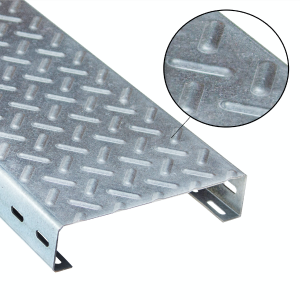
In the models most suitable for technical and safety staircases, the surface can include embossed patterns, perforations and profiles designed to improve grip.
Drainage reduces stagnation and operational issues
Drainage is one of the main reasons why open or perforated treads are often chosen for outdoor staircases. Water must be able to flow away quickly, without accumulating on the walking surface.
This feature is important not only for comfort of use, but also for operational continuity. In a technical access area, service staircase or safety staircase, every element must contribute to keeping the passage usable in different weather conditions.
The same principle makes Abagrigliati metal gratings an interesting solution for flooring, walkways and walking surfaces in many industrial environments: the surface is not just a support, but an active part of the safety and functionality of the path.
Would you like to understand which tread best suits your outdoor staircase?
Talk to Abagrigliati: call +39 049 5797535 or send your request through the contact form.
Corten steel for outdoor applications: when it can be considered
In some outdoor projects, Corten steel can also be evaluated. It is a type of steel designed to withstand atmospheric agents through the formation of a protective surface patina. It is easily recognisable thanks to its warm, burnished and natural colour, which is why it is often chosen in contexts where the metal element must blend with the surrounding environment.
Corten steel can be interesting for parks, outdoor paths, natural areas, architectural contexts, design areas and environments where the colour of the material contributes to the aesthetic integration of the structure. In these cases, the so-called “rust” is not simple surface deterioration, but a patina that, under correct environmental conditions, helps protect the material.
However, it must be evaluated carefully. Corten steel is not automatically the best solution for every outdoor staircase: water stagnation, continuous contact with water, particularly aggressive environments or specific installation needs may require different evaluations.
For this reason, when choosing between galvanized steel, Corten steel or other outdoor metal solutions, it is important to start from the real context: where the staircase will be installed, how exposed it will be, how it will be used and which technical and aesthetic result is required.
Abagrigliati can support the customer in evaluating the most coherent solution, reasoning on the material that best suits the staircase, the environment and the expected durability.
Mistakes to avoid on outdoor and service staircases
When evaluating an outdoor staircase, the most common mistake is focusing only on the tread size or on the cost of the supply. In reality, a tread that is not suitable for the context can generate later problems: more frequent maintenance, lower safety, installation difficulties or poor compatibility with the existing structure.
Choosing a tread without considering exposure
A covered staircase, a staircase fully exposed to rain and a staircase installed in an industrial environment do not have the same requirements. Loads, dirt levels, risk of stagnation and type of daily use all change.
For this reason, when requesting a supply, it is always useful to specify whether the staircase will be outdoor, partially covered, directly exposed to rain or installed in a production environment.
Neglecting the passage of water and impurities
A closed or poorly draining tread can retain water, mud, leaves, dust or residues. On an outdoor staircase, this can make the passage less safe and more difficult to keep clean.
Grated or perforated treads, on the other hand, help water flow away and keep the walking surface more functional. This aspect becomes particularly important in service staircases, technical access areas, plants and routes subject to frequent use.
When the outdoor staircase is part of a production, plant or industrial environment, the assessment must be even more precise. In these cases, foot traffic frequency, operational continuity and compatibility with existing walkways and metal structures all come into play. To explore this aspect further, you can also read the article dedicated to grated stair treads for industrial staircases, useful for better understanding the requirements of technical staircases in professional contexts.
Not evaluating compatibility with the structure
Another common mistake is choosing the tread without correctly checking the fixing system, useful width, centre distance, depth, type of support and possible need for accessories.
Abagrigliati does not only work on the individual component, but on the consistency of the supply in relation to the staircase. This approach is especially important when the tread must be installed in an existing structure or in a technical project where dimensions, loads and installation methods must be carefully evaluated.
In industrial contexts, the same logic also applies to wider walkways and walking surfaces. To explore the topic further, you can read the article about walkable metal grating and the one about Abagrigliati industrial metal floor gratings.
How to request a supply that matches the installation context
To receive a truly useful proposal, it is important to prepare the request correctly from the beginning. The more information is provided, the easier it is to identify a solution that matches the staircase, the environment and the intended use.
When contacting Abagrigliati for a supply of outdoor metal stair treads, it may be useful to indicate:
- whether the staircase is new or already existing;
- whether the installation is indoor, outdoor or partially covered;
- the intended use: technical access, service staircase, safety staircase, walkway, plant or civil structure;
- the approximate dimensions of the treads;
- the expected frequency of use;
- any exposure to water, dirt, humidity or atmospheric agents;
- the need for anti-slip or draining surfaces;
- the presence of technical drawings, photos or surveys of the structure;
- any preference or need to evaluate galvanized steel, Corten steel or other outdoor solutions.
This allows the Abagrigliati team to evaluate not only the product, but also the application. The difference is important: an outdoor staircase does not simply require a resistant tread, but a tread suitable for the function, the place and the way it will be used.
For more complex staircases, plants and technical structures, it may also be useful to consult the page dedicated to metal profiles and stair treads for flooring and staircases in industrial and plant environments, where Abagrigliati presents solutions designed for professional applications and production contexts.
Do you need to replace worn treads or design a new outdoor staircase?
Send photos, measurements or technical drawings to Abagrigliati through the contact form. For a direct discussion, call +39 049 5797535.
Abagrigliati stair treads for outdoor stairs: a technical choice, not a generic one
Choosing outdoor metal stair treads should never be treated as a standard decision. Every context has its own conditions: rain, dirt, frequent passage, staircase height, supporting structure, drainage needs and required safety level.
Abagrigliati supports companies, installers, designers and industrial operators in choosing stair treads and metal profiles that match the installation context. The goal is to supply robust, functional solutions consistent with the real use of the staircase.
Those who search for “iron stair treads” are often actually looking for a resistant metal solution for outdoor use. Abagrigliati’s role is to transform this initial need into a more precise technical choice: galvanized steel, draining profiles, anti-slip surfaces and materials evaluated according to the installation environment.
When a broader view of grating applications in production environments is needed, it may also be useful to read the article about steel grating for industry, especially if the staircase is part of a wider system of walkways, access routes or working platforms.
FAQ about outdoor metal stair treads
When is galvanizing decisive?
Galvanizing becomes particularly important when the staircase is installed outdoors or in environments exposed to humidity and weather conditions. Although users often search online for “galvanized iron stair treads”, in technical terms the more accurate reference is to galvanized steel stair treads, treated to better withstand outdoor installation conditions and contribute to the durability of the supply.
Can Corten steel be used for outdoor stair treads and staircases?
Corten steel can be evaluated in some outdoor contexts, especially when aesthetic integration with the environment is important in addition to resistance to atmospheric agents. Its burnished, natural colour makes it interesting for parks, green areas, design zones and outdoor paths. However, it is not an automatic choice: it must be assessed according to exposure, stagnation, installation environment, staircase use and technical result required.
Are outdoor stair treads also suitable for service staircases?
Yes, when correctly selected. Service staircases require resistant, safe treads that are easy to use even in less-than-ideal conditions. For this reason, it is important to evaluate drainage, anti-slip grip, compatibility with the structure and material finish. In outdoor and professional applications, Abagrigliati supplies steel solutions designed to maintain functionality and safety over time.
Why do people talk about iron stair treads if they are technically made of steel?
In everyday language, many people use “iron” to refer to robust metal staircases, treads and structures. When dealing with outdoor staircases, service staircases and professional access areas, however, it is more accurate to talk about steel stair treads, especially if they are galvanized, draining and designed to withstand weather conditions.
Are you looking for outdoor metal stair treads, but want to choose a technically correct steel solution that is safe, draining and suitable for your installation context?
Talk to Abagrigliati. Call +39 049 5797535 or fill in the contact form: we will help you identify the most suitable solution for outdoor staircases, service staircases and technical access areas.